Home charging · Texas edition · Updated November 2026
Charge at home for less in Texas — with the receipts.
Which Level 2 charger survives a Texas garage, what the install really costs in Houston or Dallas, which utility will pay you back, and how to make overnight kilowatt-hours actually free. Every number links to the page it came from.
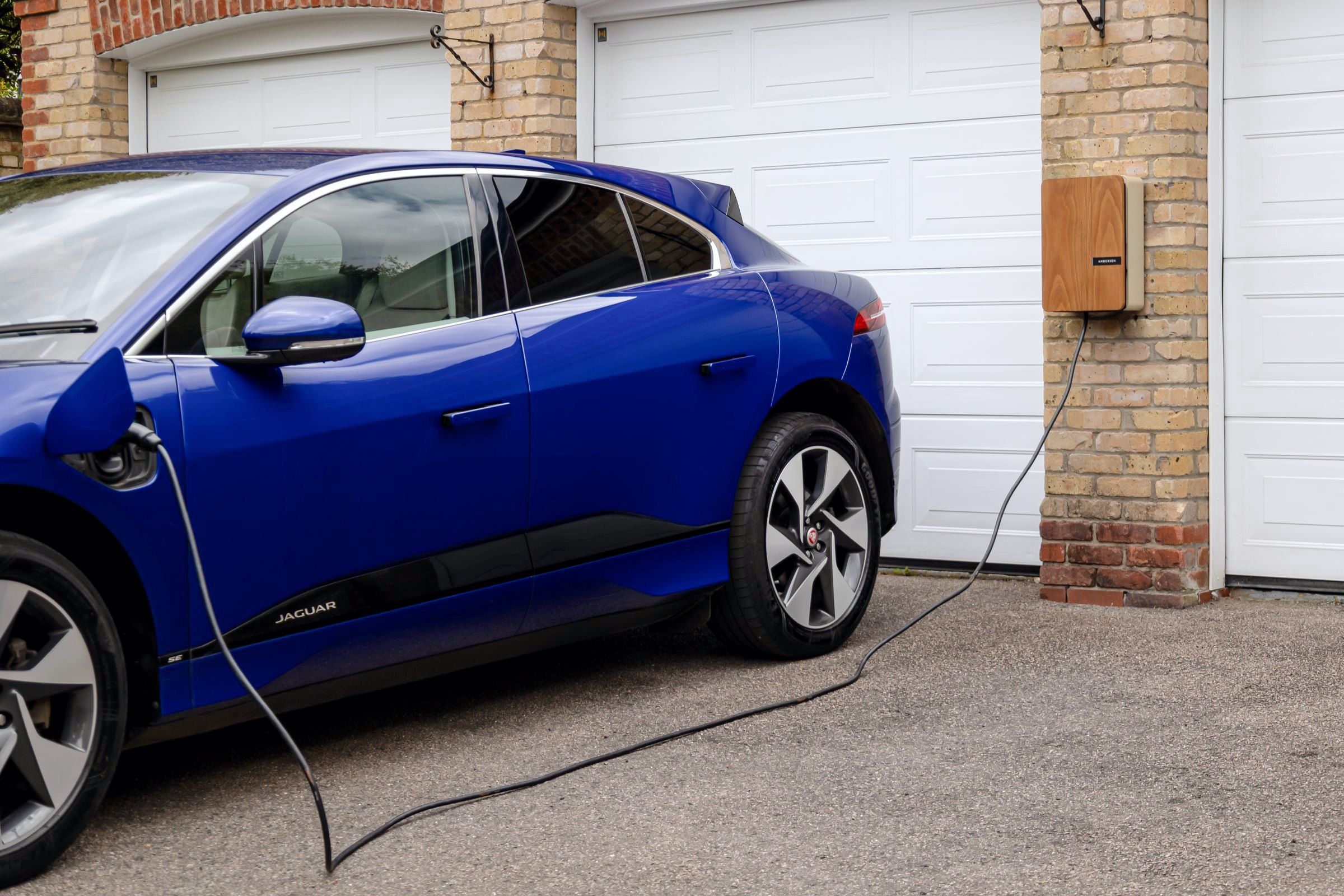
Start here
Four questions every Texas EV owner ends up asking
Pick the one in front of you. Each section links to the rest.
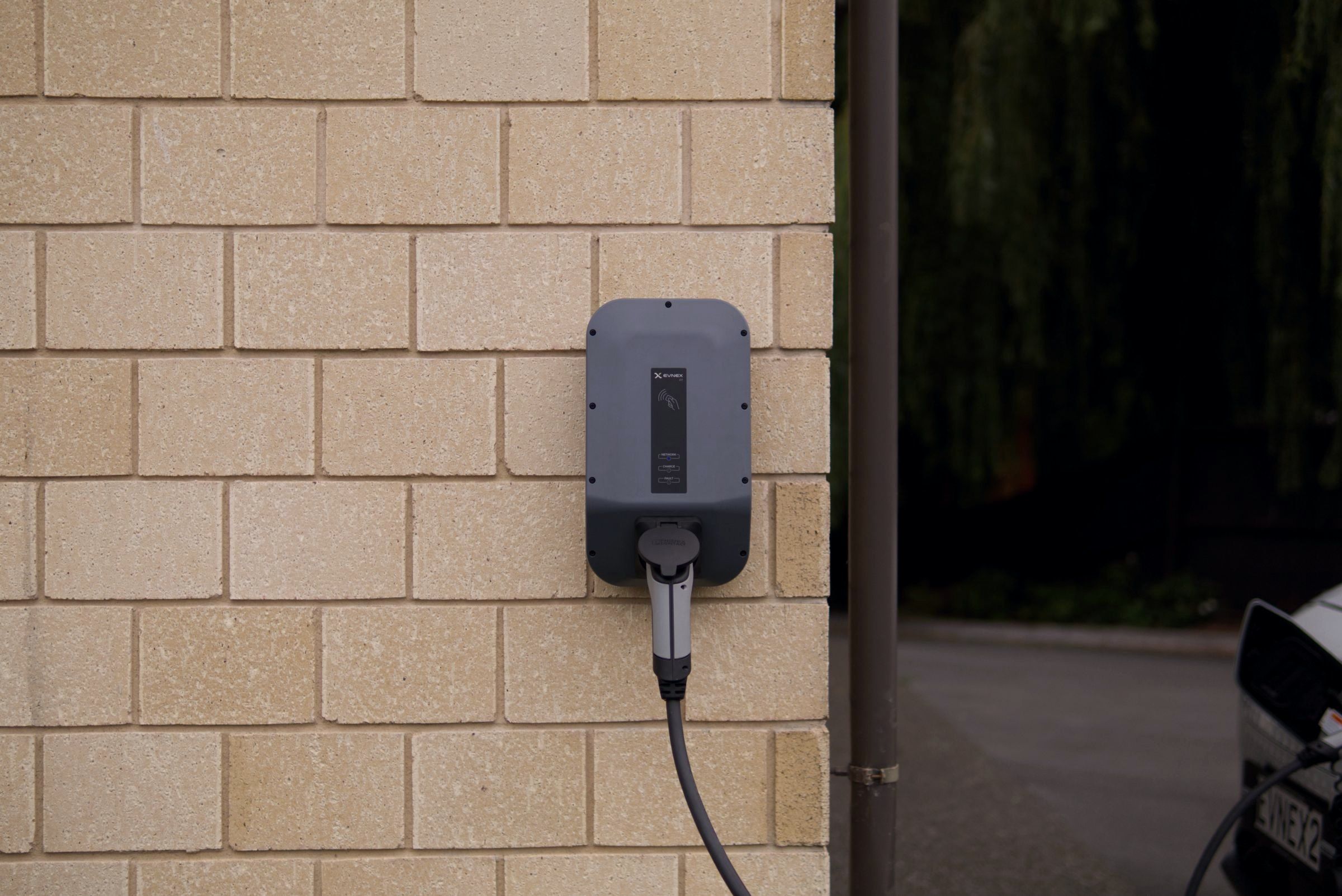
Home Chargers
Level 2 home chargers compared by amperage, cord length, heat rating, warranty, and which Texas utility programs they can enroll in.
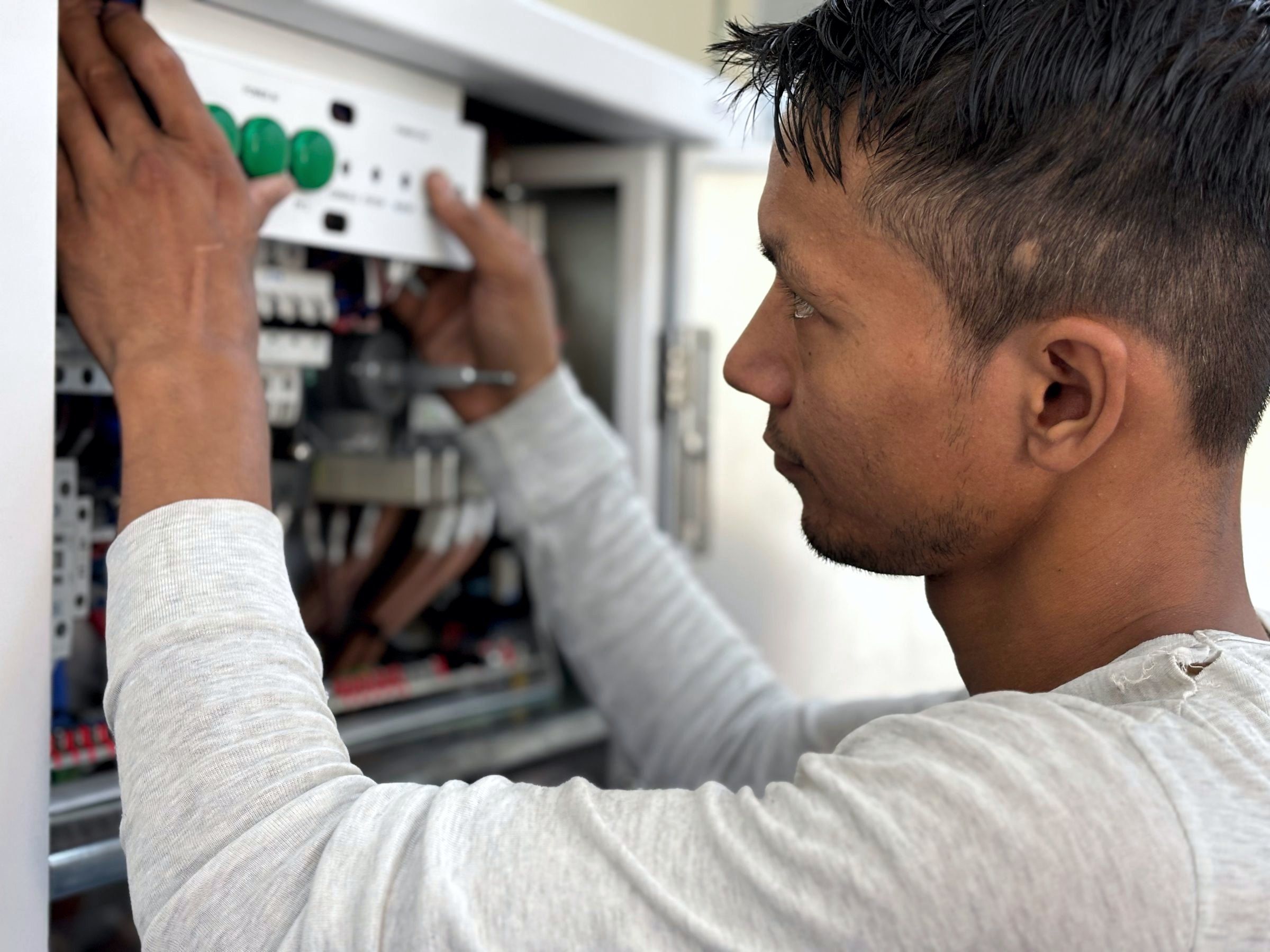
Installation
What a 240-volt circuit really costs, when a NEMA 14-50 beats hardwiring, and how permits work in Houston, Dallas, Austin, and San Antonio.

Rebates & Incentives
Every Texas charger rebate and bill credit we could verify, by utility, plus what changed when the federal 30C credit ended.
Charging Costs
What it costs to charge on Texas power, which electricity plans actually make overnight charging cheap, and the $200 EV fee in context.
The order that saves money
Plan, wire, enroll, schedule
- Check the circuit before the charger. Panel room and wire distance drive most of the cost. Estimate your install.
- Decide plug-in or hardwired. A NEMA 14-50 caps you at 40 A and needs a GFCI breaker. See the trade-offs.
- Buy a charger your utility will pay for. Austin Energy and CPS Energy programs name compatible hardware. Check your utility.
- Schedule into cheap hours, then pick a plan. The same car can add $0 or $88 a month depending on start time. Compare free-nights plans.
Featured guides
The most useful pages on the site
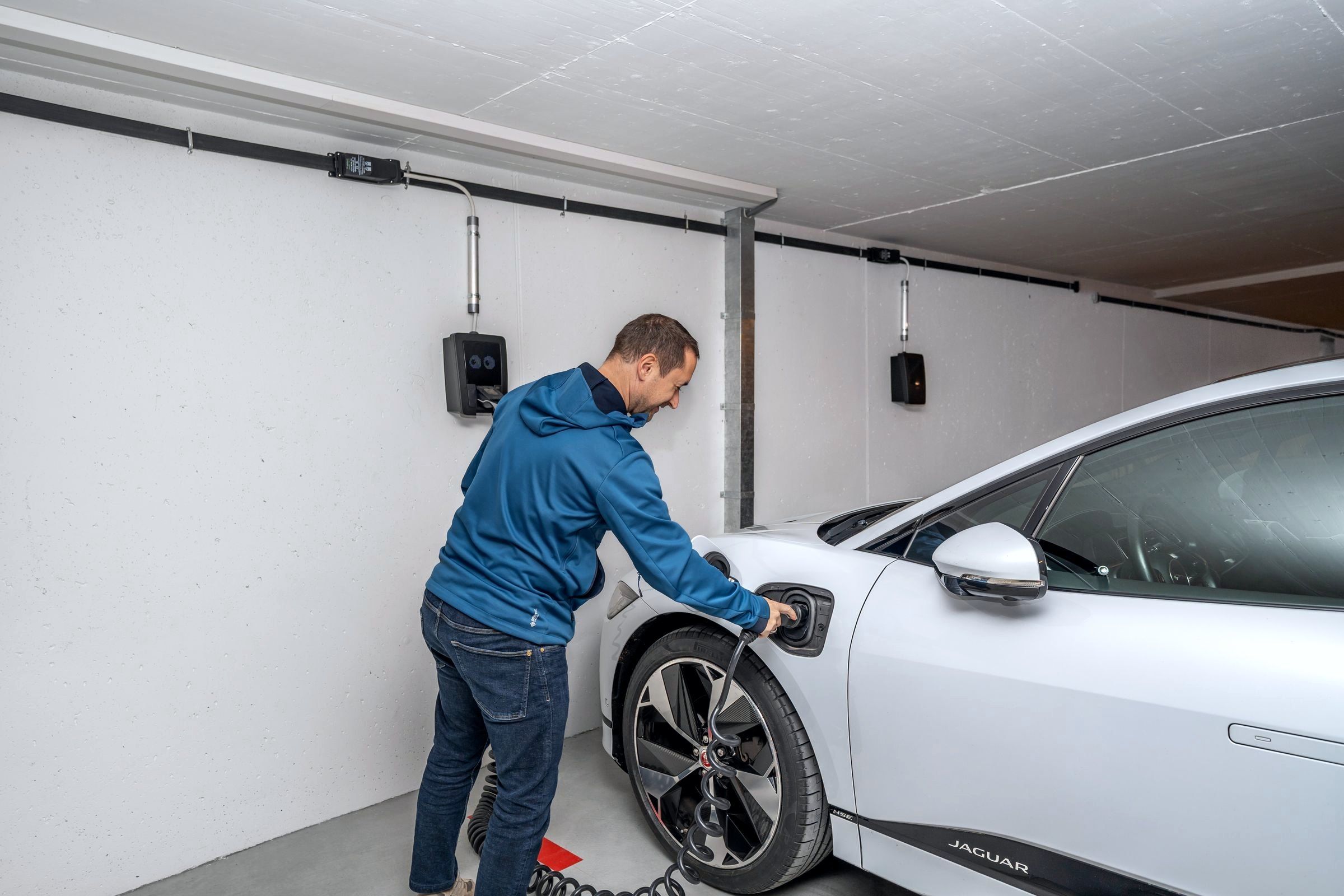
Best Home EV Chargers for Texas (2026): 4 Level 2 Picks
Four Level 2 chargers worth installing in Texas, ranked on datasheet heat limits, utility programs, and what owners actually complain about.
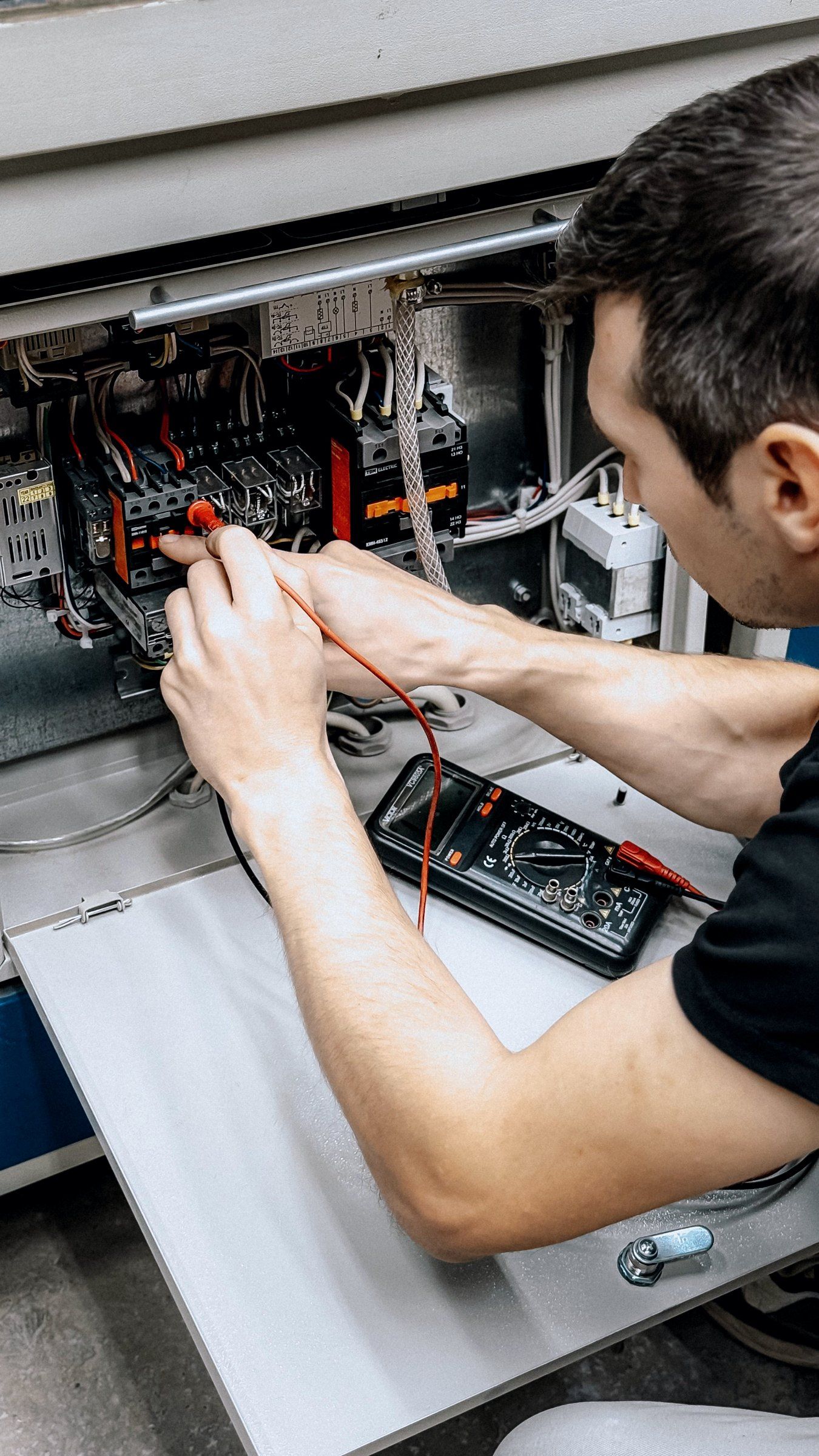
EV Charger Installation Cost in Texas (2026 Breakdown)
Four national price guides disagree by more than $1,000. Here is why, what Houston and Dallas permits add, and an estimator built on the published ranges.
Texas EV Charger Rebates (2026): Every Utility Program
There is no statewide charger rebate. There are utility programs worth up to $500 — and a federal credit that quietly ended June 30, 2026.
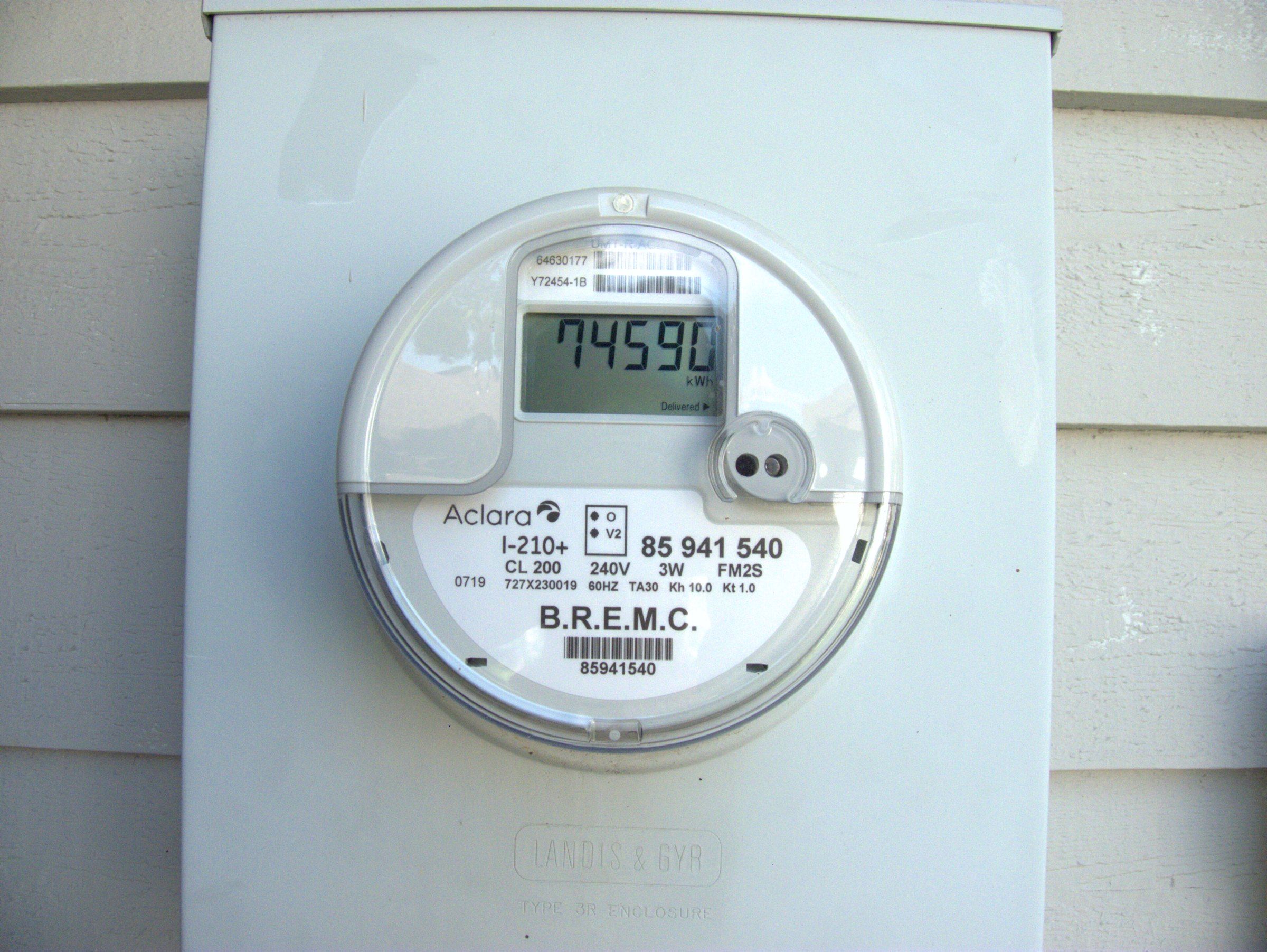
Free Nights Electricity in Texas: EV Plans Compared
One popular TXU free-nights plan excludes homes with EVs. Another takes off energy but not delivery. Here is what each plan's own fine print says.
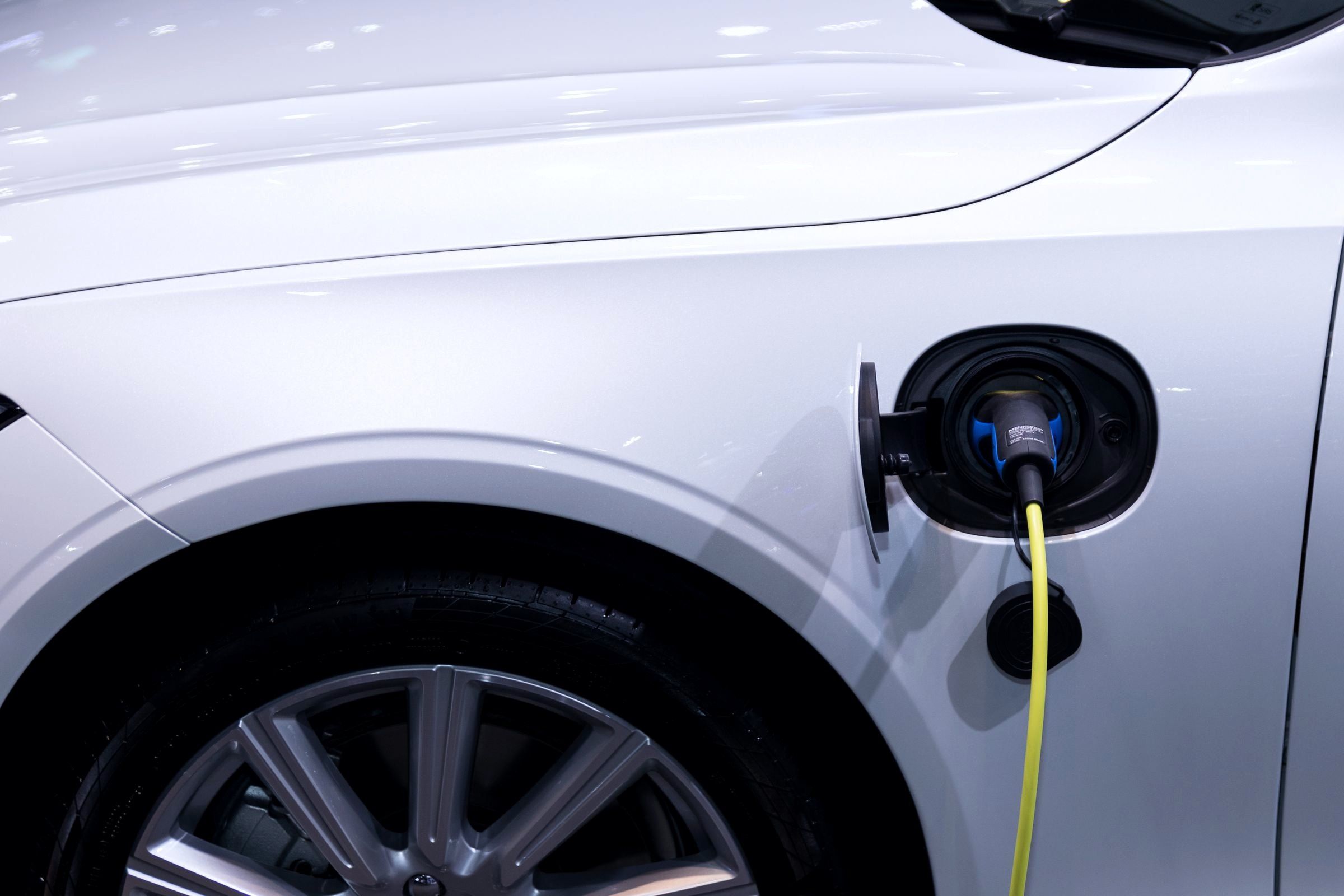
Cost to Charge an Electric Car in Texas (2026 Calculator)
Texas residential power averaged 15.91¢/kWh in August 2026. Your real per-mile cost depends on delivery charges and when the car plugs in.
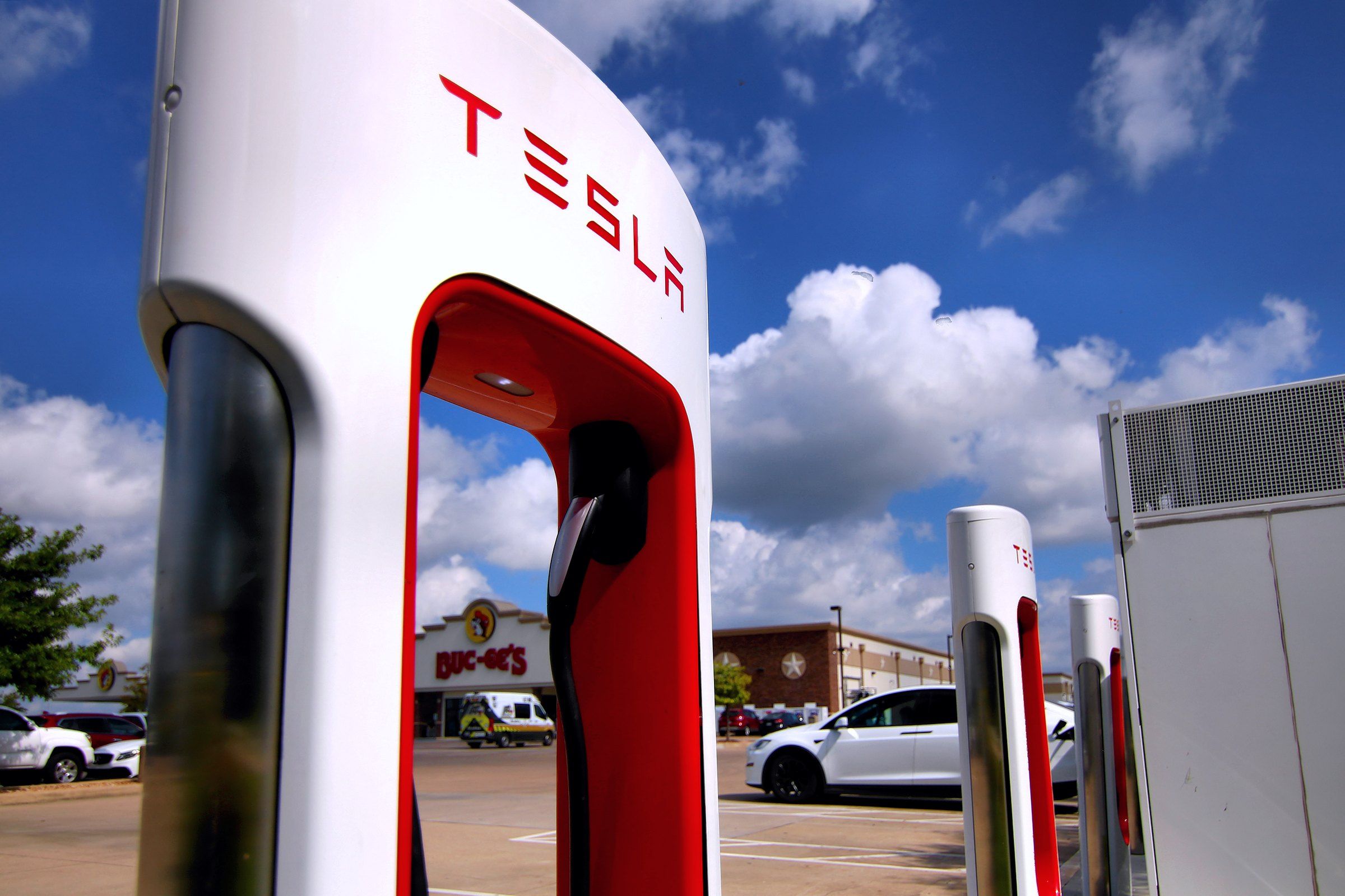
Texas EV Registration Fee: $200 a Year vs. the Gas Tax
A gas car would have to burn 1,000 gallons a year to pay $200 in Texas gas tax. Here is the break-even math by mpg.